
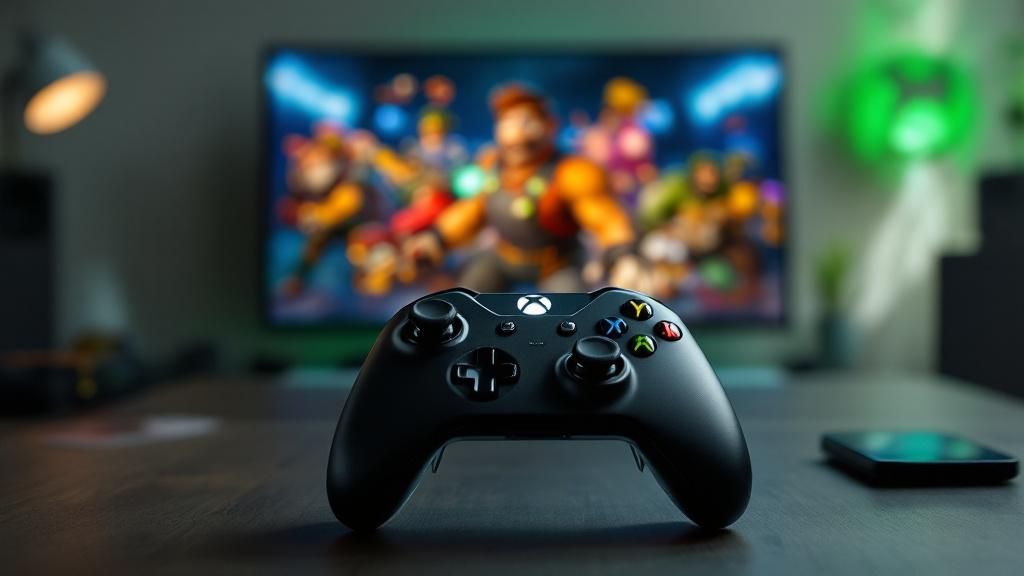
Microsoft’s Xbox Backwards Compatibility programme represents a groundbreaking method for preserving games, enabling fans to revisit beloved titles from earlier gaming systems on state-of-the-art systems. Rather than consigning classic games to irrelevance, this innovative initiative guarantees vintage classics perform flawlessly on contemporary Xbox systems, complete with improved performance and visual improvements. This article examines how the programme works, examines its importance for the gaming community, and showcases the extensive library of restored titles now available to current gamers.
The Evolution of Gaming By Way of Legacy Support
The idea of backwards compatibility has significantly reshaped how gamers interact with their preferred games across generations. Before Microsoft’s revolutionary programme, players dealt with a harsh reality: upgrading to next-generation consoles often meant leaving behind their accumulated game catalogues entirely. The Xbox Backwards Compatibility programme rejected the traditional model, understanding that gaming history merits safeguarding and access. By enabling classic games to flourish on modern systems, Microsoft displayed authentic concern to valuing customers’ purchases in older console games.
This progression represents far more than simple technical achievement; it reflects a ideological evolution within the video game sector itself. Rather than regarding older games as historical remnants, backward compatibility celebrates gaming’s storied history whilst harnessing current technological resources. Players now experience enhanced frame rates, better image fidelity, and faster loading times on titles initially created for legacy platforms. This approach has struck a chord with the gaming community, setting a benchmark that values gaming’s past whilst adopting technical advancement and ensuring that cherished titles remain perpetually accessible.
How the Scheme Operates and Its Impact on Gambling
The Xbox Backwards Compatibility programme works through complex emulation solutions and strategic partnerships with game publishers, allowing older titles to function flawlessly on contemporary systems. Microsoft’s engineering teams thoroughly enhance each game, ensuring compatibility whilst delivering better performance, superior clarity, and faster loading times. This revolutionary method has substantially reshaped gaming culture, enabling gamers to effortlessly switch between generations and maintaining gaming heritage for future audiences.
Technical Milestones and Replication
The underlying systems underpinning backwards compatibility represents a remarkable engineering achievement, requiring Microsoft’s developers to create sophisticated emulation layers that translate legacy code for contemporary processors. Rather than simply running outdated software, the programme intelligently adapts games to leverage modern hardware capabilities, resulting in substantial performance improvements. These advancements demonstrate how thoughtful technical innovation can bridge generational gaps, transforming older experiences into genuinely compelling modern offerings.
Microsoft’s commitment to technical quality surpasses fundamental features, including extensive quality assurance processes and continuous optimisation efforts. The company works closely with game creators and publishers, ensuring each title receives suitable care and optimisation. This careful methodology has set industry-leading standards for backwards compatibility, inspiring competitors and proving that maintaining gaming legacy doesn’t sacrifice contemporary quality standards.
- Enhanced frame rates provide faster, more fluid gaming performance.
- Improved image quality presents games in crisp, detailed picture quality.
- Reduced load times eliminate prolonged delays during play transitions.
- FPS boost technology intelligently enhances performance for supported titles.
- Intelligent Distribution guarantees users receive suitable builds across devices.
The Next Chapter of Classic Games on Xbox Systems
As Microsoft continues to expand its Backwards Compatibility initiative, the outlook for classic gaming on Xbox platforms appears exceptionally promising. The company has displayed consistent commitment to maintaining gaming history whilst concurrently updating the experience for contemporary players. With each successive console generation, enhanced processing power enables studios to refine vintage games to a greater degree, offering enhanced frame rates, greater visual clarity, and improved gameplay systems that honour the original vision whilst leveraging technological progress.
Looking ahead, the programme is positioned to include an even broader library of treasured games, potentially spanning multiple decades of gaming history. Microsoft’s commitment to backwards compatibility demonstrates a core transformation in industry philosophy, accepting that gaming’s cultural importance transcends current releases. By guaranteeing that cherished titles remain accessible and playable on modern hardware, Xbox continues establishing itself as the preferred platform for thoughtful players who appreciate both progress and legacy, ultimately enhancing the entire gaming ecosystem.
