
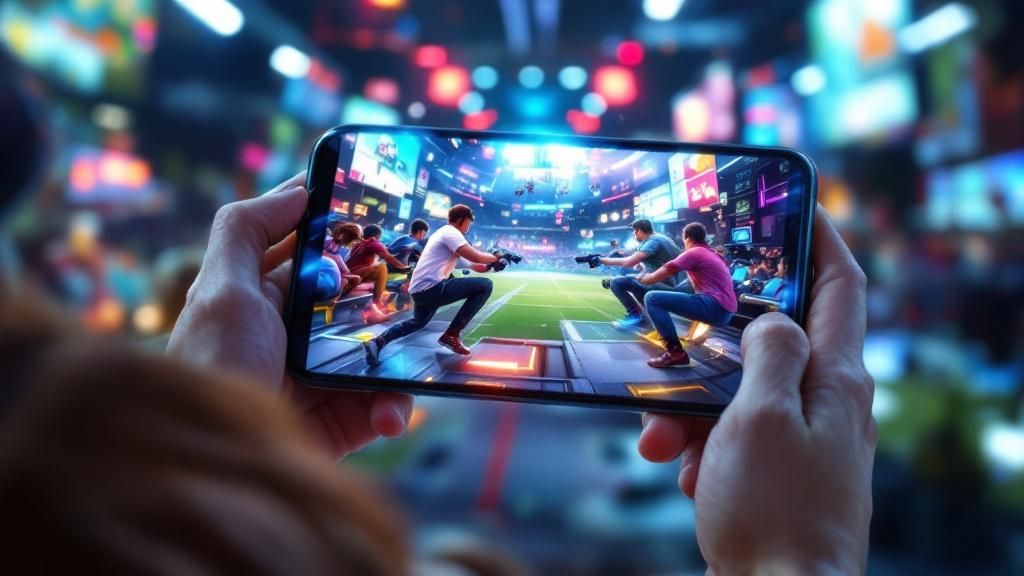
In an increasingly interconnected world, multiplayer mobile games have established themselves as powerful platforms for building genuine relationships between continents and cultures. Through live competitive gaming, vast numbers of gamers connect each day, overcoming geographical limits to work together, challenge one another, and share in mutual wins. This article explores how cutting-edge gameplay features—from rapid matchmaking to live tournaments—transform solitary gaming into dynamic international communities. Discover how these digital arenas encourage friendships, cross-cultural understanding, and exceptional interaction, dramatically transforming how we view mobile gaming and human connection in the digital age.
The Growth of Global Gaming Communities
The proliferation of multiplayer mobile games has reshaped the gaming landscape, generating unprecedented opportunities for players worldwide to interact in real time. What began as isolated gaming experiences has evolved into thriving digital ecosystems where millions interact concurrently across time zones and continents. These platforms leverage sophisticated network systems and intuitive interfaces, enabling seamless interaction between players regardless of where they are based. The accessibility of mobile devices has made gaming more accessible, allowing individuals from different economic circumstances to participate in worldwide tournaments and collaborative experiences that were previously unimaginable.
Real-time competitive gameplay forms the foundation of these rapidly growing communities, creating authentic camaraderie amongst players who have shared objectives and gaming ambitions. Players develop enduring friendships through shared triumphs and challenges, overcoming cultural and linguistic barriers through universal gaming language. These online communities have become meeting points where individuals exchange strategies, celebrate achievements, and support one another through defeats. The instant nature of live play creates authentic moments of connection, transforming strangers into teammates and rivals into valued opponents, thereby establishing communities bound by passion rather than proximity.
Instant Gaming Elements Which Link Players
Instantaneous competitive elements constitute the core of present-day multiplayer mobile gaming, facilitating instantaneous interaction between players globally. These systems remove latency obstacles and produce immersive environments where all actions significantly influences opponents. From quick strategic choices to strategic gameplay, live systems promote true competitive play that transcends traditional gaming boundaries. Players develop genuine rivalries and friendships, building communities bound together by mutual enthusiasm for interactive entertainment and competitive excellence.
Ranked Matchmaking Systems
Ranked matchmaking systems revolutionise player progression by pairing individuals with comparably talented competitors, guaranteeing fair and immersive gameplay. These systems evaluate gameplay statistics, win rates, and skill ratings to foster equitable environments. Players advance through distinct tiers, earning recognition and rewards aligned with their abilities. This performance-driven model drives persistent advancement whilst upholding competitive standards, inspiring competitors to enhance approaches and build expertise within their respective skill brackets.
The emotional reward derived from climbing ranked ladders substantially improves user engagement. As individuals progress through divisions, they gain tangible achievement markers that affirm their commitment to improvement. Open-ended ranking structures promote constructive rivalry, where individuals value rival strengths and acknowledge collective improvement. This transparent progression framework converts leisure participants into serious competitors, establishing ranked societies bound by mutual ambitions and excellence.
Live Tournament Events
Live esports competitions represent pinnacle instances in team-based gaming, gathering thousands of competitors and spectators for prestigious competitions. These organised contests include substantial prize pools, professional broadcasting, and worldwide audiences, promoting mobile gaming to popular entertainment platforms. Players compete across several stages, displaying exceptional skill under demanding circumstances whilst securing distinction and financial compensation. Tournament structures support different experience levels, guaranteeing inclusive participation whilst upholding quality thresholds that engage audiences worldwide.
Tournament participation fosters extraordinary community bonds, converting individual players into prominent members within gaming ecosystems. Spectators observe outstanding displays, nurturing personal connection in competitors and mutual recognition of outstanding play. These events create memorable experiences, forge professional relationships, and inspire emerging players to pursue championship success. The tournament ecosystem creates inspiring routes, where grassroots competitors envision championship glory, fundamentally strengthening community cohesion and unified competitive landscape.
Building Long-term Meaningful Relationships By means of Gameplay
Multiplayer mobile games create strong connections that extend far beyond virtual battlefields. Players spend extensive time alongside teammates, building mutual respect and teamwork through collective struggles and wins. These digital bonds often develop into real-world friendships, with players coordinating in-person meetings, participating in competitive events as a group, and maintaining friendships across years. The collaborative nature of competitive gameplay—whether planning tactics or acknowledging successes—strengthens interpersonal connections in ways traditional gaming cannot reproduce, building groups built on reciprocal regard and joint interests.
The community framework within contemporary mobile gaming enables meaningful interactions through player guilds, clans, and team structures. These organised groups provide structured environments where players develop hierarchies, traditions, and collective identities. Members interact consistently via in-game chat, voice channels, and social media platforms, creating multi-layered social ecosystems. The effort demanded to preserve collective status and take part in shared events strengthens interpersonal connections, converting informal contacts into dependable allies who support one another both within and outside gaming contexts.
Cultural dialogue grows spontaneously within worldwide gaming platforms, expanding players’ viewpoints and widening their worldviews. Playing against competitors from diverse backgrounds exposes players to varied languages, customs, and gaming perspectives. This engagement develops understanding and empathy, dismantling cultural prejudices through real human connection. Multiplayer digital games thus go beyond mere entertainment, acting as authentic connections linking people across the globe and fostering a genuinely worldwide community bound together by mutual passion.
